

- March 4, 2026 - Comments: 0
Weight loss has traditionally been associated with hard diets, calorie counting, and exercise. These solutions can also deliver a temporary result in some cases, but they cannot be long-lasting in most cases among people who cannot manage to mitigate a consistent impact.
A more contemporary approach, which is gaining momentum in our time, is the medical weight loss programs, which are geared towards curing the aspects which serve as causes of body weight. Even better, the growing trend of mobile medical weight-loss services, where professional services are provided, and consultation and specific treatment plans are delivered comfortably in the comfort of your own home, is more convenient.
Understanding Traditional Dieting
Conventional dieting is widely viewed as a self-managed method of reducing calorie intake or altering a diet to achieve weight reduction. These approaches tend to be based on generalized rules that influence individuals to engage in new feeding habits and exercise.
The use of traditional diets by many people is explained by the fact that they are extremely easy to find and do not presuppose any professional advice.
The most popular features of traditional dieting are:
- Low-carbohydrate diets
- Routines of intermittent fasting
- Low-calorie nutrition plans
- Elimination diets
- Commercial diet programs
These methods are concerned with creating a calorie deficit so that the body can be able to utilize the stored fat as energy. Most individuals supplement them with a mobile med spa for further assistance.
What Is Medical Weight Loss?
Medical weight loss is also a physician-centered treatment method that involves medical science to achieve healthy, beneficial weight management. These programs include both biological and lifestyle factors to determine body weight as opposed to diet as a way of reducing weight.
It is to approach it in an individualistic way that considers the unique health profile of an individual.
Medical programs of weight loss often consist of the following:
- Wide-scale health assessments
- Individual nutrition diets
- Test of Metabolism and Hormones
- Proper prescription of weight loss drugs
- Lifestyle and behavioral instruction
- Continuous improvement of performance
The telehealth and concierge-style services have been enhanced, and thus, medical weight loss programs offer lasting results, including professional care, consultations, and treatment plans in their homes.
Key Differences Between Medical Weight Loss and Traditional Dieting
Despite having equal objectives of assisting a person to lose weight, medical weight loss is more beneficial and effective in the long term for most patients.
Personalized Treatment Plans
Unlike traditional weight loss programs, the medical weight loss program comes up with unique methods where operations with metabolism, health history, lifestyle habits, and body composition are used to attain different results.
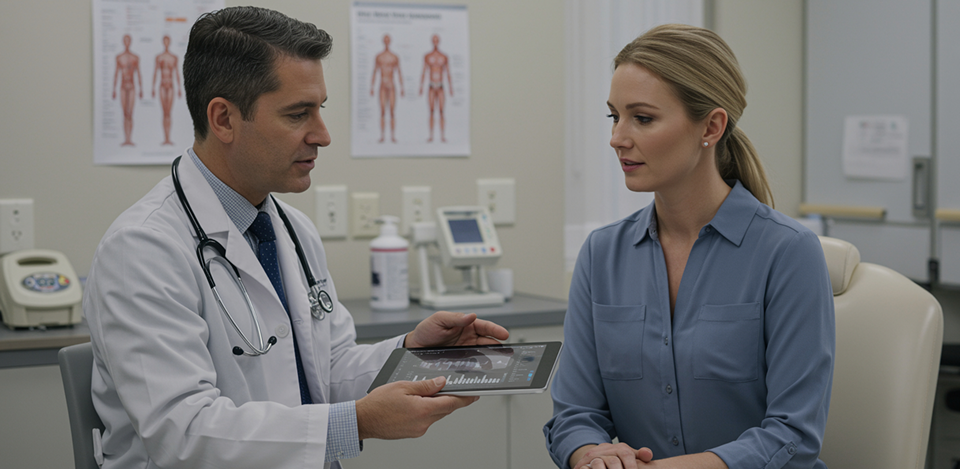
The advantages of this one-on-one method are as follows:
- Metabolic analysis on the individual level
- Custom nutrition planning
- Lifestyle-specific guidance
- Adaptive progress tracking
Making a medical weight loss plan individualized will make the process effective and realistic because it helps individuals be consistent as they experience the advantages of mobile Botox services.
Medically Guided Strategies
Medical weight loss programs are based on scientific analysis and doctor oversight; weight management plans are tailored to each patient’s health condition.
There are more effective solutions to this professional guidance:
- Physician-supervised care
- Evidence-based methods
- Safe treatment adjustments
- Medical progress monitoring
Professional supervision means that the plan will adapt to the needs of the patient, enhancing safety. This increases the chances of achieving meaningful and lasting weight loss.
Addressing Root Causes
There is an underlying cause to many weight struggles, and some of them may include an imbalance of hormones, a slowing down of metabolism, drugs, or chronic stress. Weight loss programs in medicine are oriented to the recognition and treatment of these underlying causes.
The factors considered in the treatment course include:
- Hormonal balance checks
- Metabolic rate analysis
- Medication impact review
- Lifestyle factor assessment
By addressing the biological mechanisms of weight gain rather than merely the consumption of food, medical weight loss provides solutions that facilitate long-term health improvement along with weight loss.
Structured Support and Accountability
Traditional dieting typically leaves the individual to handle their progress independently. Medical weight loss programs offer constant advice, periodic check-ups, and professional responsibility that keep the person motivated during the process.
Well-planned support often includes:
- Scheduled progress reviews
- Professional coaching sessions
- Behavioral habit guidance
- Continuous plan adjustments
Such a stable support system can help people remain dedicated, get through difficulties, and sustain healthier habits that lead to long-term success.
Convenient Mobile Care
In mobile medical weight loss, the healthcare practitioners provide consultations and administer treatments for patients. It has emerged as one of the most effective weight management techniques of modern times.
Mobile programs provide a number of distinct benefits:
- At-home consultations
- Flexible appointment scheduling
- Private personalized care
- Continuous remote support
Mobile medical weight loss removes all obstacles of travel and scheduling, improving access to expert care.
Conclusion
Reaching the optimal body weight involves more than temporary changes. It involves proper expert guidance, following long-term habits, and a personalized approach that fits your lifestyle and body.
At Gotox Girl, expert-led mobile medical weight loss services bring professional care directly to you. With personalized treatment plans, ongoing support, and the convenience of at-home consultations, reaching your health goals becomes simpler and more accessible.
If you’re ready to take the next step toward a healthier lifestyle, contact us today to learn how their mobile medical weight loss services can support your journey!
Frequently Asked Questions
Can medical weight loss help people with a slow metabolism?
Yes, medical programs assess metabolic function and develop strategies to overcome metabolic resistance to weight loss.
Are medically supervised weight loss programs safe for long-term health?
These programs, under the guidance of professionals, are more focused on a gradual weight loss, preserving muscle mass, and nutritional balance.
How quickly can someone see results with medical weight loss programs?
The outcomes may be inconsistent, yet systematic observation tends to show some visible improvement in the first several weeks.