- March 26, 2026 - Comments: 0
Earlier, the concept of aging was something that people disliked speaking of. In recent times, significant developments in aesthetic treatments have turned aging into something they can actively manage. When speaking of treatments, Botox has laid a strong groundwork as the best solution not for reversing the signs of wrinkles but preventing them from surfacing sooner. The approach to aesthetic treatments today focuses on delivering natural-appearing results instead of changing your whole appearance.
Moreover, since the world today moves at a rapid pace, convenience is redefining the entire beauty industry. This led to the evolution of mobile aesthetic treatments that help individuals access expert care from the place they prefer. Consequently, services like mobile Botox treatments have turned into the go-to solution for people seeking expert care away from clinical settings.
Why Timing is of Huge Essence & Not An Age
It is important to evaluate the right time to initiate Botox treatments. However, it is less than any number but more about understanding how your skin behaves. Skincare experts highlight the importance of personalized approaches that rely on early signs, daily habits, and facial expression patterns.
Here are the reasons why the professionals will generally assess:
- Condition of skin and its elasticity
- Frequent movement of facial muscles
- Presence of fine facial lines
- Comparison of preventive and corrective beauty goals
- Eco-friendly and lifestyle impact factors
Selecting the appropriate timing is of great importance, even better than long-term outcomes. This helps in achieving natural outcomes, especially with increasing accessibility options such as at-home Botox treatments. This streamlines the entire aesthetic affair by starting at the right moment without complicating your daily routine.
When Should You Actually Consider Starting Botox?
Here are the main steps when Botox should be started based on your skin and beauty objectives:
Botox in Your Mid-to-Late 20s
Botox may also be undertaken as a preventive but not a corrective procedure in your late 20s. It can reduce the repetitive movements of the facial muscles that ultimately prevent the formation of fine lines that later develop into wrinkles.
The primary considerations involved here are:
- Early formation of fine lines
- High facial expressions
- Preventative skincare approach
- Long-term aging control
Here, it becomes important to determine the effects of lifestyle habits on Botox outcomes. It involves the aspects of proper hydration, sun protection, and quality of sleep, which can have a strong impact on the long-term effects of preventative procedures.
Botox in Your Early 30s
It is important to address the visible lines before it turns into wrinkles. At an early age of 30s, one will notice that fine lines will perhaps become visible around the forehead area, including the eyes. At this age, Botox works on softening these lines before they become permanent.
Generally, the skincare experts will evaluate:
- Visible resting lines
- Reduced skin elasticity
- Early wrinkle formation
- Preventative correction balance
It is imperative to understand the after-effects of Botox treatment in such situations since the appropriate care routines can offer smoother outcomes. This will prevent the fine lines from getting etched deeply, forming wrinkles.
Botox in Your Late 30s
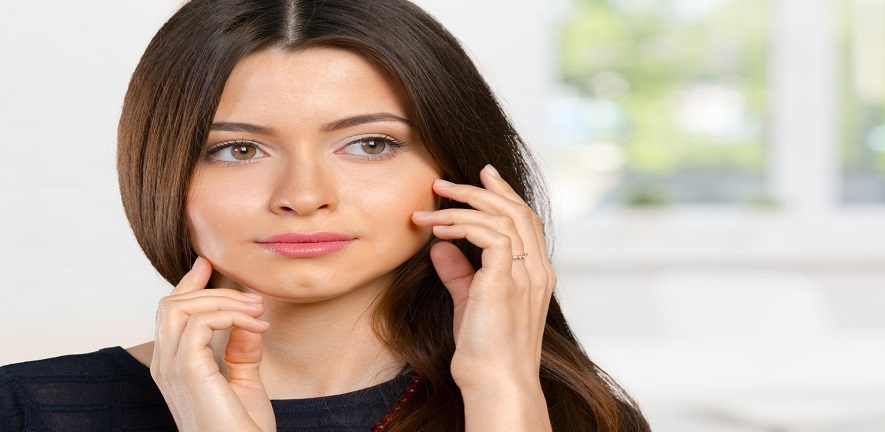
It is the best phase to transition to correction from prevention. In your late 30s, Botox is more about treating lines that persist even when you relax your face. Aesthetic treatments focus on loosening and managing the signs of deeper expressions.
The main target areas are:
- Persistent forehead lines
- Crow’s feet formation
- Frown line depth
- Skin texture changes
Frequent treatment routines at this stage can further prevent the progression of wrinkles, besides maintaining a natural and fresh look.
Botox in Your 40s
It is the phase that needs targeting deeper and well-formed wrinkles. By the 40s, wrinkles become more pronounced and may need a multimodal treatment. The use of Botox remains important in muscle relaxation and the smoothing of deep lines.
The skincare experts typically suggest:
- Deeper softening of wrinkles
- Use of combined treatments
- Supporting skin rejuvenation
- Correcting loss of volume
Although the results might require increased effort, Botox can still be used to achieve the overall facial smoothening as well as contribute to a youthful, fresher glow. The use of Botox in combination with dermal filler treatment helps restore lost facial volume and achieve a more youthful look.
Botox Beyond 50s
This phase targets the overall enhancement of facial rejuvenation. Botox can also be started at 50 to achieve visible changes. The aim is more of general revitalization as opposed to preventing wrinkles and comes under a wider aesthetic strategy.
The generic goals of this aesthetic treatment include:
- Softening deep lines
- Improving facial balance
- Supporting skin laxity
- Enhancing natural features
At this point, Botox can still bring a significant enhancement when used with different individual aesthetic approaches.
Conclusion
The idea of the “perfect age” for Botox is evolving, and today it’s less about numbers and more about awareness, confidence, and choice. At Gotox Girl, we do not want aging to take over. We understand your skin, take control early, and curate treatments that align with your lifestyle.
Contact us now to book your personalized consultation and start your journey toward confident, age-smart beauty!
Frequently Asked Questions
Can Botox make your skin look thinner over time?
No, Botox does not thin the skin; it relaxes muscles, while overall skin quality depends on hydration, collagen levels, and proper skincare.
How often should beginners get Botox treatments?
Most beginners repeat Botox treatments every three to four months, depending on individual muscle activity, metabolism, and desired aesthetic maintenance goals.
Is Botox suitable for all skin types and tones?
Yes, Botox is suitable for all skin types and tones because it works on facial muscles rather than affecting skin color or texture.