
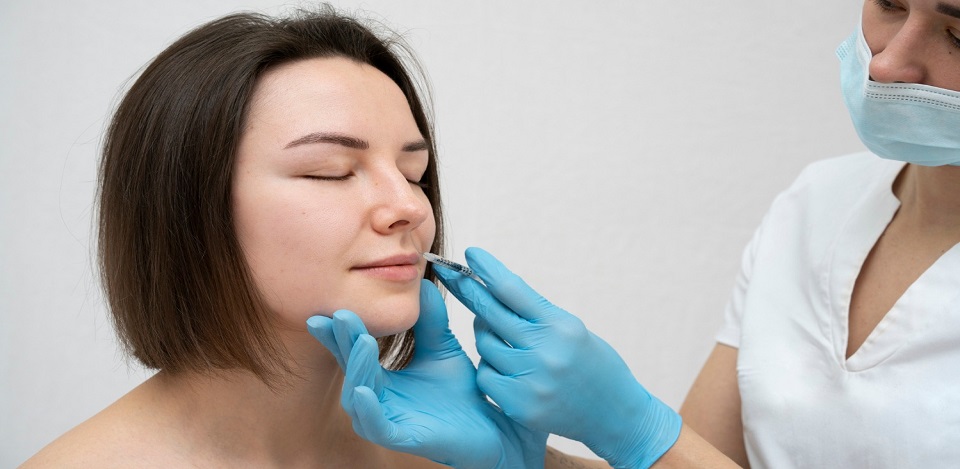
- August 5, 2026 - Comments: 0
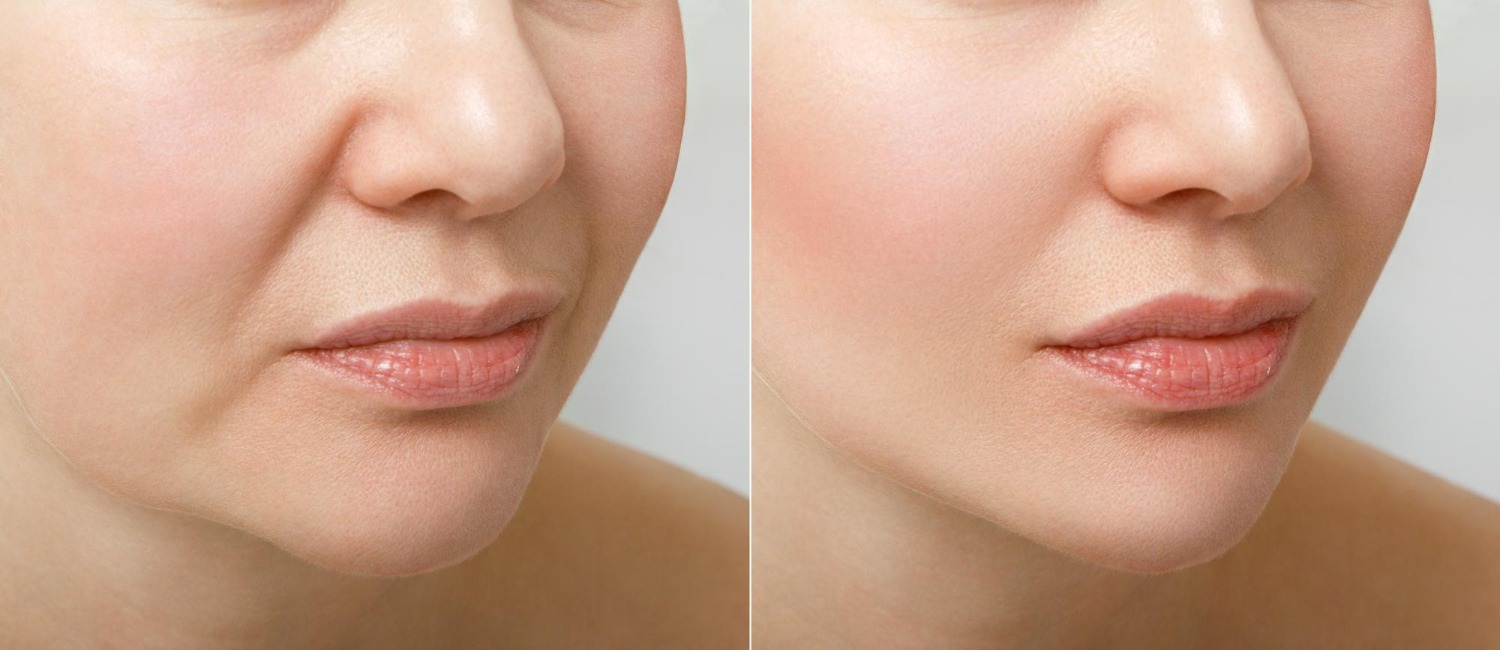
Commonly termed smile lines, the nasolabial folds are among the first areas patients point to when talking about signs of aging. Such lines run from the sides of the nose down to the mouth’s corners. While they are a natural part of facial expression, they become more prominent as skin gradually starts losing its volume.
In our post today, we will narrow down how nasolabial fold fillers work, what is included in the appointment, and the best way to select the right approach that suits your skin type. Therefore, a clear insight into the entire process behind the convenience offered by mobile dermal filler treatment can help you stay prepared and informed about the appointments and outcomes.
What Are Nasolabial Folds?
Nasolabial folds form as the skin starts losing collagen, elastin, and volume due to aging. Sun exposure, genetics, and frequent facial movement play a vital part in how deep these lines form over time.
How they appear:
- Lines start to deepen slowly and become visible with facial expressions such as smiling
- Loss of volume across mid-face areas contributes to the aesthetics of these folds
- They can make your face appear fatigued or aged even with good skin quality
Detecting such changes sooner makes it seamless to explore every treatment option before these folds turn more prominent. Most clients today choose the convenience of mobile med spas for discreetly addressing concerns without in-clinic visits.
How Dermal Fillers Treat Nasolabial Folds
Dermal fillers typically help restore lost volume under the skin. This approach helps lift and smooth the fold from below instead of just filling the line.
Types of Fillers Commonly Used
- Hyaluronic acid fillers absorb moisture, adding immediate facial volume
- Calcium hydroxylapatite fillers stimulate the production of collagen over time
- Poly-L-Lactic acid fillers build facial volume slowly across multiple sessions
Choosing between different filler types comes down to the amount of correction required and the duration of the outcomes. The entire consultation process can determine the right option. This replicates the screening providers apply for mobile botox services, where anatomy and goals steer every recommendation.
How the Treatment Works
A certified and trained injector places filler along the fold and surrounding mid-face areas using a cannula or needle. The objective is a natural outcome restoring support to the facial area instead of an overfilled appearance.
From Consultation to Appointment Day
Before the filler is injected, the process involves a multi-step approach to maintain process safety, personalization, and effectiveness.
Scheduling Your Initial Consultation
Nasolabial fold treatment mainly begins with a consultation, where the injector will evaluate your concerns. They will also assess your facial symmetry and suggest the filler or technique that suits you, rendering a natural, well-balanced outcome. If one fold appears deeper than the rest, then dermal fillers for facial asymmetry correction might be suggested to create a more natural, rested appearance.
This first visit typically covers:
- Your beauty goals and areas of concern
- A physical or visual assessment of the mid-face
Booking this consultation sooner gives you enough time to ask questions and feel confident before committing to the treatment.
Facial Assessment and Filler Selection
Once your goals are clearly defined, the injector will assess your facial anatomy, volume loss, and skin quality to choose the right filler. Fillers for facial volume loss may be suggested to restore the lost volume in the cheeks and temples, along with the treatment of the nasolabial folds due to aging.
Factors that an injector considers are:
- Skin thickness and elasticity in the area to be treated
- Folds that are deeper or more serrated
The filler you choose complements the fold depth of your skin and unique characteristics.
Medical History and Health Screening
A complete health screening will help to identify any conditions or medications that may potentially affect the safety of the treatment. When patients notify their injector of allergies, autoimmune conditions, prior cold sore outbreaks, or filler reaction history, treatment can be adapted.
The process usually scans for:
- If any existing medications or supplements
- Pregnancy, autoimmune conditions, or active skin infections
Thorough understanding here can protect the quality of your results.
Medication and Lifestyle Adjustments
Some daily habits can lead to increased swelling or bruising after an injection. Changing a few drugs and lifestyle in the days just before your appointment may decrease the time spent out of work. Additionally, it can help you heal more smoothly and quickly after treatment.
Preliminary adjustments to make it easy:
- Steer clear of blood-thinning supplements like vitamin E and fish oil
- Do not drink any alcohol for 24 hours prior to your appointment
Changes are small but decrease the risk of bruising and assist with healing.
Setting Expectations for Your Results
Knowing the result that a filler can achieve can set your expectations straight. The results are organic rather than anything theatrical. An experienced injector will explain the expected timeline during planning. Patients looking to balance the face better can opt for fillers for jawline definition, as a stronger jawline can help soften areas like nasolabial folds.
What most patients can expect:
- A rejuvenated, natural look rather than an excessive transformation
- Detect visible results in one or two weeks
Setting clear expectations just before the treatment makes patients more satisfied with the results.
What to Expect During and After Treatment
Once the pre-treatment planning is complete, the appointment moves quickly and comfortably.
The Injection Process
Most sessions for nasolabial fold filler take around 15 to 30 minutes. A topical numbing cream is applied earlier, and most fillers even contain lidocaine to reduce discomfort during injection.
Recovery and Aftercare
- Mild bruising and swelling are common for the initial few days
- Ice is applied to reduce swelling in the treated area
- Avoid heat, excessive sun exposure, or strenuous activity. Even exercises should be avoided for about 24 to 48 hours
- Outcome settles completely in one to two weeks as swelling starts to resolve
How Long Do Results Last?
The effects vary with type of filler and individual metabolism. Hyaluronic acid fillers usually last from 6 to 18 months. Conversely, results can build up over time with other collagen-stimulating options like calcium hydroxylapatite or poly-L-lactic acid.
Final Thoughts
Fillers for the nasolabial fold will add volume and soften the appearance of aging. In any case, outcomes depend significantly on the injector’s proficiency and the effectiveness of the consultation beforehand. Opting for an experienced provider who takes the time to evaluate facial anatomy makes a significant difference in the final natural appearance.
If you reside in South Florida and desire high-quality treatment without spending time at the spa, Gotox Girl’s mobile dermal filler treatment comes to your home, office, or just about anywhere. Contact us today to schedule your nasolabial fold filler consultation and see what a personalized, mobile approach to aesthetics can do for you.
Frequently Asked Questions
Does the nasolabial fold filler hurt?
Most patients report a sensation of slight pressure or a light pinch, rather than actual pain, and any discomfort usually subsides within seconds of each injection.
Can fillers for the nasolabial fold be combined with other treatments?
Many patients choose to undergo additional treatments, such as skin boosters or laser resurfacing, alongside their fold correction for enhanced results. However, this will be discussed in your consultation.
How much filler is usually required for nasolabial folds?
The amount used will vary with each individual. However, most treatments use between half a syringe and one full syringe per side, depending on the depth of the fold and the desired result.