
- May 27, 2026 - Comments: 0
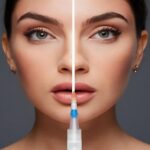
Botox has witnessed a significant surge in demand across the entire spectrum of aesthetic treatments. This non-surgical mode of treatment targets fine lines and wrinkles, softening them while temporarily relaxing facial muscles. The consistent advancements are assisting people to achieve a fresh appearance without having to undergo any cosmetic procedures. Furthermore, when it is performed by experienced professionals, the treatment is considerably safer and more effective, with outcomes that last for several months.
Additionally, accessibility has also been enhanced in recent times with people choosing mobile Botox treatment. This convenience brings trained experts right to homes or private settings. But, irrespective of these conveniences and increasing popularity, Botox is still considered a medical procedure that is not suitable for everyone.
What Is Botox and How Does It Work?
Botox is mainly a purified form of botulinum toxin. This toxin has a direct influence on facial muscles as it works as a relaxant. The primary function is to block nerve signals that lead to muscle contractions. While muscles start to relax, wrinkles and fine lines start becoming less visible.
The common applications of Botox are widespread in:
- Forehead lines
- Crow’s feet
- Frown lines
- Neck bands
- Excessive sweating
- Specific medical conditions, including migraines and muscle spasms
Although the effects are temporary, they last between three and six months. It relies on several factors, including the treatment areas, lifestyle, and metabolism.
With the rising demand for cosmetic procedures across diverse age groups and demographics, the rise of Botox treatment among men is also evident. It has a major impact on reshaping modern grooming rituals and preventative skincare trends.
When Botox May Not Be a Safe or Suitable Option
Although this treatment is in great demand, there are certain situations when this should be avoided at all costs.
Pregnant and Breastfeeding Women
The first in this group includes pregnant and breastfeeding women. There is insufficient data or studies supporting how Botox can impact unborn babies or infants during breastfeeding.
However, no harmful effects have yet been confirmed, as healthcare experts typically advise avoiding cosmetic procedures during pregnancy and nursing as a first line of protection. Safety data is incomplete, where delaying treatment is considered a smart move, even when these procedures are conducted at a convenient mobile med spa setting.
Why It May Be Risky
- No sufficient studies or data confirmed
- Possibility of unknown effects on fetal development
- Uncertain transmission into breast milk
Those who are pregnant or trying to conceive should discuss every procedure with their physician first.
People With Neuromuscular Disorders
People dealing with neuromuscular conditions should always avoid Botox treatment since it targets nerve-to-muscle communication. This might also worsen existing symptoms or cause severe complications.
Typical conditions that might elevate risks are:
- Myasthenia Gravis
- Amyotrophic Lateral Sclerosis
- Multiple Sclerosis
- Potential Complications
- Difficulty swallowing
- Muscle weakness
- Breathing problems
- Severe fatigue
Patients with such conditions will need a critical medical assessment before considering Botox injections. In most cases, doctors also recommend avoiding cosmetic procedures, including dermal filler treatments till complete health risks are thoroughly assessed.
Individuals With Allergies to Botox Ingredients
Most individuals also face issues like allergic reactions to a few components present in Botox formulations. Although this is something rare, allergic responses can turn severe and need urgent medical attention.
Symptoms of an Allergic Reaction
- Swelling
- Rash or itching
- Shortness of breath
- Dizziness
- Severe redness
Individuals allergic to botulinum toxin products or formulations related to this should avoid this treatment entirely.
People Taking Certain Medications
Some medications can interact with Botox and cause bruising, bleeding, or muscle weakness. Patients should inform their health care provider before treatment about all medicines and supplements they are taking.
Medications that could raise concerns:
- Blood thinners
- Muscle relaxants
- Certain antibiotics
- Sleep medications
- Allergy medications
Some doctors may find that certain drugs used in Botox treatment may increase the risk of side effects. Following professional guidelines and adequate care, and maintaining Botox results safely without side effects are important.
Individuals With Skin Infections or Irritation
Botox cannot be injected into the infected or inflamed skin. The risk of infection and complications can increase if there are skin conditions near the injection site.
Examples Include
- Active acne breakouts
- Rashes
- Open wounds
- Skin infections
- Severe irritation
The safest method is to wait until the skin has completely healed before undergoing treatment.
Minors and Young Patients
Botox is not recommended for children under 16 years old who want cosmetic changes. Treatment might be superfluous for younger patients and may introduce unnecessary risks.
Skincare experts believe that the best age to start Botox depends on individual factors, including skin concerns, facial expressions, and preventative goals. For adults with existing expression lines or wrinkles, this treatment proves appropriate.
A professional consultation can help determine whether a Botox treatment is necessary or whether any alternative skincare options might be suitable.
Tips for Safer Botox Treatments
The following recommendations will help minimize complications and keep patients safer:
- Choose a licensed and experienced provider
- Don’t go to an unknown or inexpensive clinic
- Be perfectly honest about your full medical history
- Strictly adhere to after-care procedures
- Report any unusual symptoms right away
It is extremely important to research the clinic and the injector for high quality and safety.
Conclusion
Botox can offer dramatic cosmetic enhancements to numerous people, but not to everyone. Patients with certain infections, breathing conditions, allergies, certain medications, or neuromuscular disorders should use Botox with caution or not at all.
At Gotox Girl, we focus on personalized aesthetic care, professional guidance, and client safety to help individuals make informed cosmetic decisions with confidence. Contact us today to schedule your personalized consultation and receive expert guidance tailored to your aesthetic journey!
Frequently Asked Questions
Can stress affect Botox treatment results?
Stress can impact muscle tension, which can cause cosmetic Botox effects to diminish more quickly.
Is it safe to work out right after Botox?
Extensive exercise done following Botox treatments can lead to swelling and affect the effectiveness of the correct placement.
Can frequent sun exposure impact Botox longevity?
Excessive sun exposure may also accelerate skin aging and reduce the perceived longevity of Botox cosmetic effects.